
Crowned Icons: How Madonna, Bad Bunny, and Pharrell Turn Luxury Hats into Statements
Hats have always been more than weather protection. They serve as shorthand for identity, power, and theatrical intent. As a reporter who’s watched stages, red carpets, and street style, I see millinery as a conversation between maker and wearer. Few speak louder than celebrities who make headwear central to their persona.
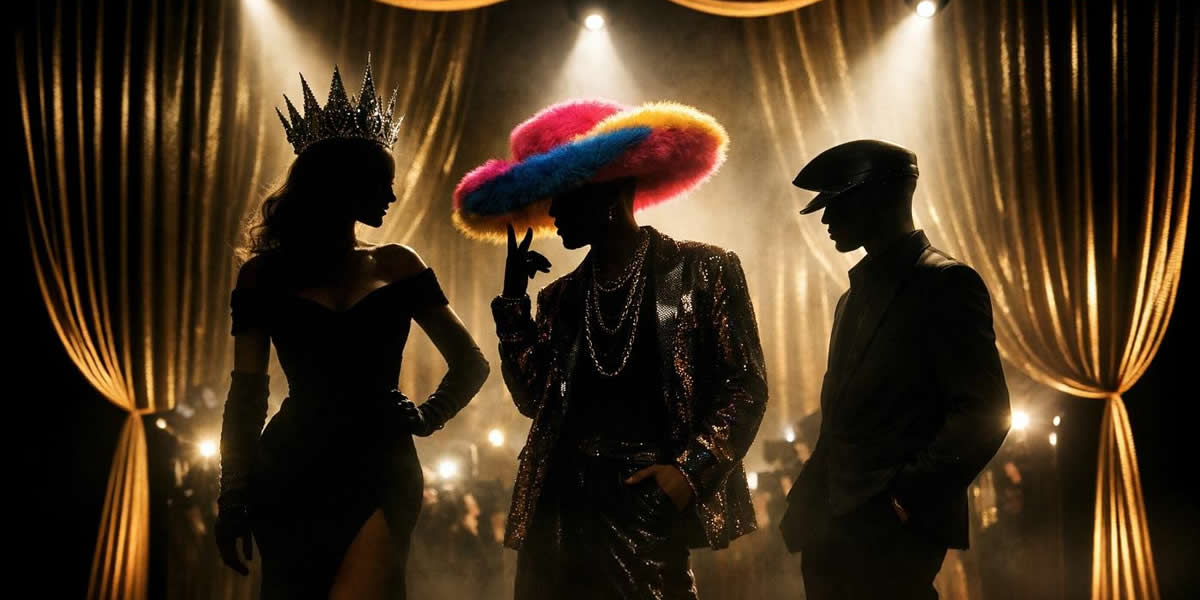
In that light, this piece examines luxury millinery through the eyes of three hat-forward stars: Madonna, Bad Bunny, and Pharrell Williams. I’ll look at the designers they gravitate toward, give rough price estimates, and explain why a single piece — even the most expensive hat — can redefine a performance or a public image.
Madonna — Theatrical Queen of Couture Hats
Madonna's fashion connection shows itself through her artistic expression. She has worn different hat styles throughout her career, which show her different artistic transformations. She frequently orders custom designs from renowned milliners and fashion houses, which include Philip Treacy's sculptural designs and Maison Michel's fabric patterns. These houses also create hand-blocked felt designs with metal accents. The custom and couture stage costumes have an estimated retail value between $3000 and $50000, which includes custom-designed items and jewel-encrusted special creations made for concerts and music videos.
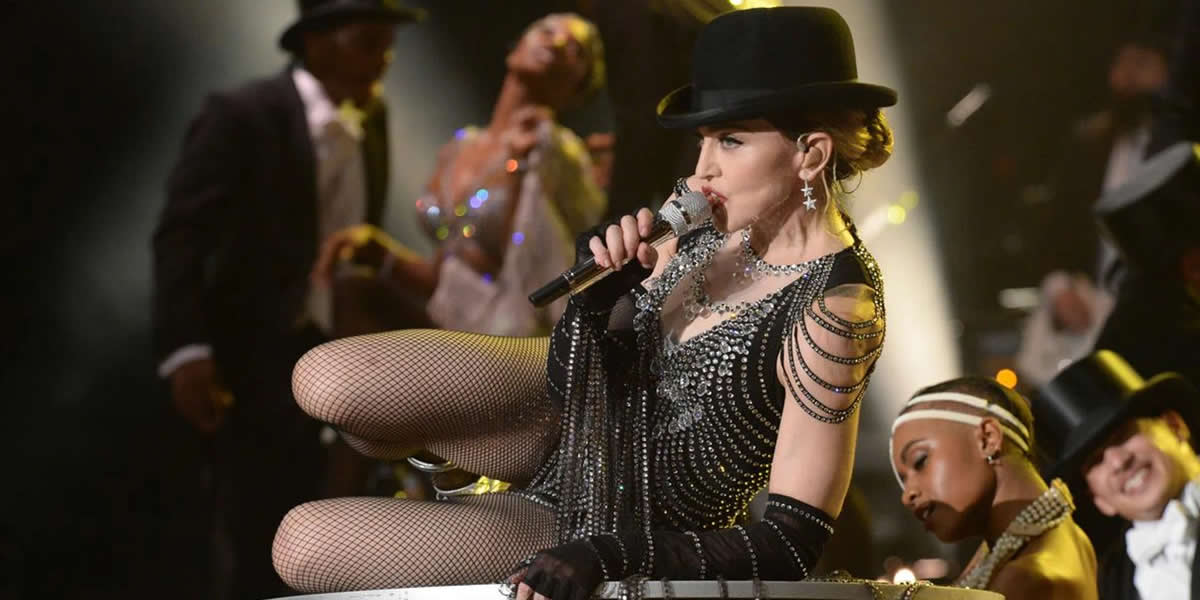
Madonna uses hats as punctuation marks during her stage performances. A sharply angled cap can add menace to a synth line; an embellished veil can soften a ballad into ritual. The song "Like a Prayer," which represents one of her most famous works, has been performed using changing visual elements that show how a hat serves as a prop to demonstrate both power and weakness and personal transformation. Madonna's hat choices demonstrate to her fans and collectors how they can combine theatrical performance with traditional craft skills.
Bad Bunny — Urban Cowboy Meets High Millinery
Bad Bunny has developed new hat meanings for modern audiences through his fusion of ranchero and cowboy elements with urban fashion and his application of haute couture to streetwear designs. He prefers to wear wide-brim felt hats, paired with sculptural, sombrero-inspired designs that he acquires from various brands and custom hatmakers who combine high-end fashion with underground street style. The market value of custom wide-brim hats starts at $1,000 and reaches $15,000, depending on the materials used, especially for rare felts and leather accents and specialized metal components, while unique design partnerships or one-of-a-kind artistic pieces push prices beyond that range.
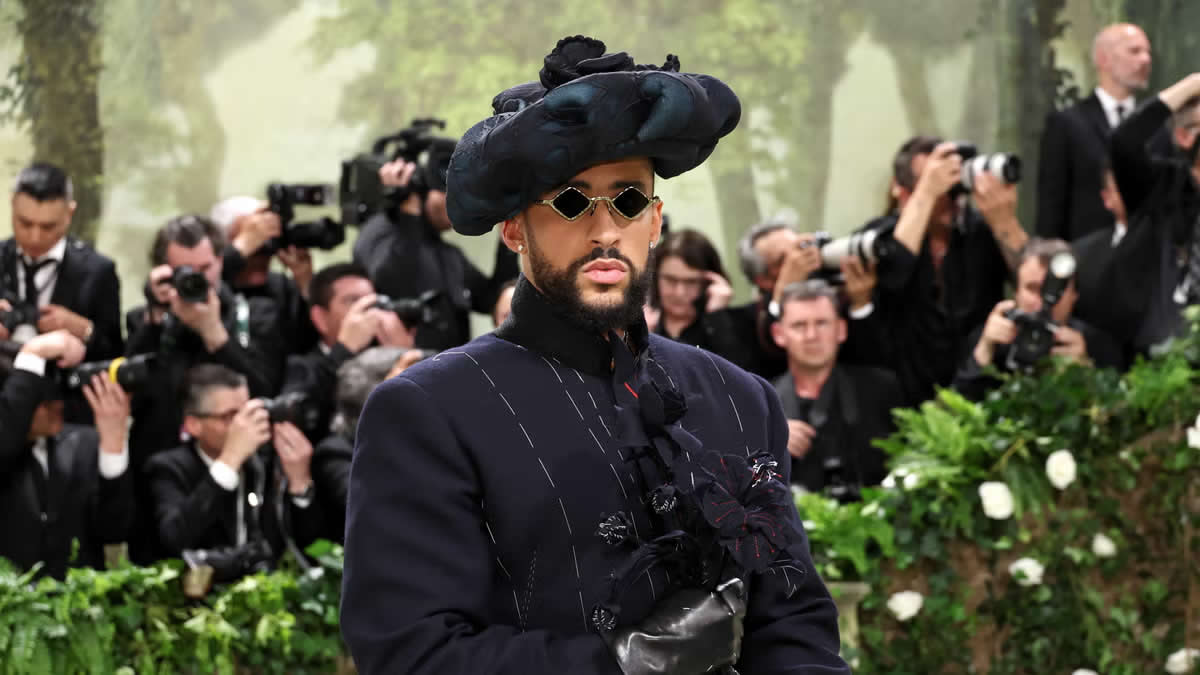
Bad Bunny's musical work, which includes the song "Safaera," uses his signature hats to create a musical identity that combines various genres, showcasing his vibrant personality through his traditional cultural heritage. In their performances and videos, hats serve as cultural symbols that go beyond their function as fashion items because they provide visual identity, which music uses to tell its story. His method enables younger listeners to experience modern luxury hat fashion, which provides immediate value and practical use, and deep cultural significance.
Pharrell Williams — The Signature That Became Legend
The Pharrell-created hat became a worldwide conversation starter before social media platforms made it possible to share everything. He prefers to wear conceptual driving hats, which function as artistic pieces that display their design elements through their high sculptural forms and their new interpretations of traditional boaters, mountain hats, and their partnerships with established fashion houses. The price of Pharrell-related couture hats starts at $2,000 for limited-edition house pieces and reaches above $100,000 for museum-quality pieces, which include gem-set commissions and high-profile designer collaborations.
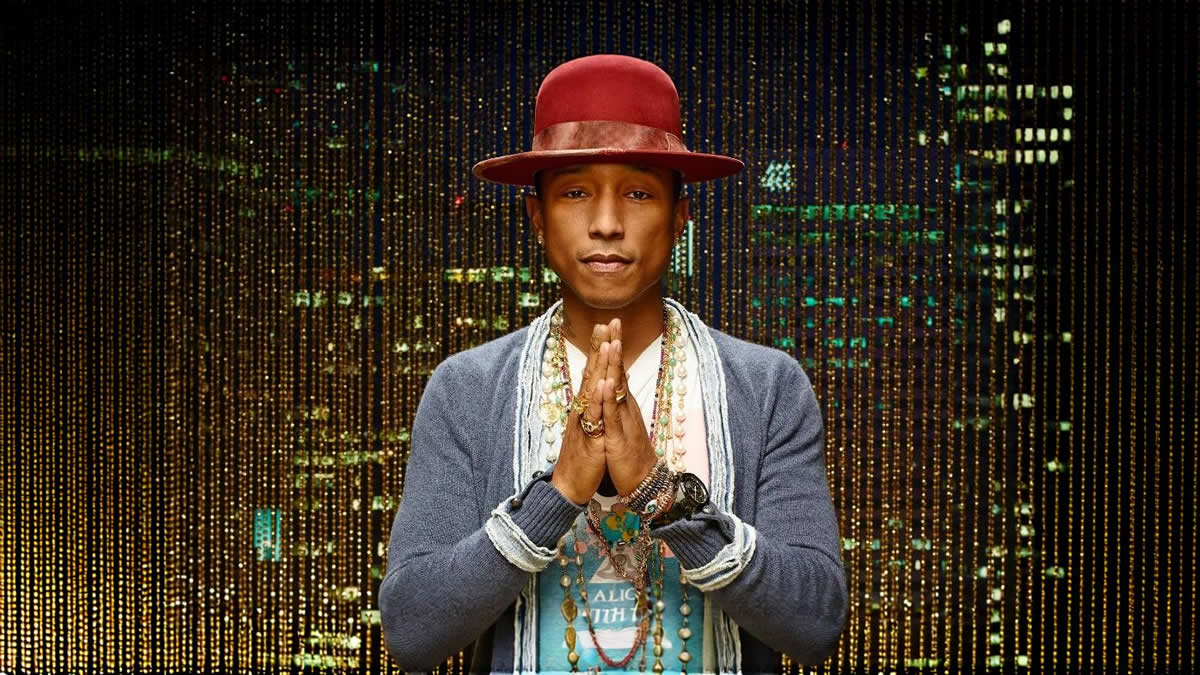
Pharrell uses his song "Happy" as a musical base, which contrasts with his mysterious headwear collection, because his hats function as his signature style component, which people recognize instantly through his appearances in interviews, award shows, and advertising campaigns. He shows that hat design becomes personal identity through his use of repeated hat shapes and his introduction of new elements, which include a custom-made jeweled item. Collectors believe that "worn by Pharrell" provenance increases the worth of an already exceptional item.
Styling Notes and Cultural Resonance
The millinery work of these three artists demonstrates how their designs transform personal beliefs into high-priced fashion items. Madonna creates new musical identities, while Bad Bunny changes existing cultural traditions, and Pharrell develops his distinctive musical style. The three artists use different methods to achieve their goals: Madonna needs structural elements to establish her authority, while Bad Bunny requires cultural elements at large scales for his storytelling needs, and Pharrell uses repetitive patterns to build his brand identity, which includes special occasions.
Collectors and style-oriented readers need to understand provenance, material information, and maker details. A hand-blocked beaver felt hat from a respected atelier will retain value; a one-off laboratory of gems and embroidery may appreciate if tied to a notable moment or artist. The storage and conservation methods and historical background of a headwear piece deserve the same respect given to small, adaptable art pieces.
Conclusion — Why We Watch Hats on Icons
The close examination of luxury hats reveals multiple narrative layers, which include their craftsmanship techniques, their cultural significance, and their historical performance moments. Madonna, Bad Bunny, and Pharrell use headwear as a fashion statement, which their recordings and press photos will preserve for future fashion remembrance. The human observer who studies style finds it interesting that one specific object, which an artist wears on their head, can demonstrate three different styles, including reinvention, heritage reclamation, and permanent trend-defying signature style. The hat serves as a brief yet strong emblem that modern collectors and curious audiences use to express their artistic identity while showing their market interest.