
From Singer to CEO: How Pop Stars Build Business Empires Beyond the Stage
The music industry used to have a straightforward dream, which required artists to produce successful songs and then sell their music and perform sold-out shows before starting the process again. The original business model remains important today, but it no longer represents the complete business situation. The top musicians today spend their time doing more than just making songs.

They create complete systems which include beauty lines, fashion labels, media companies, investment portfolios, licensing machines, and brand worlds that generate revenue every month of the year. The modern pop star establishes business operations that function similarly to traditional founders. The artist actually performs more than a founder role in some situations.
And fans feel this shift in real time. You don’t just stream a song anymore; you step into an “era,” buy into a visual language, follow a product launch, watch a documentary, maybe even wear the brand. That is why the conversation around celebrity success has changed. It is not only “How many streams?” It is also “What are they building?” and “Can this thing last outside the tour cycle?” Those are business questions, not fan-club questions. Big difference.
Why Celebrity Brands Need Real Planning Before They Scale
Here is the less glamorous part nobody posts much: growth gets messy fast. A merch line can become a lifestyle brand, a vanity project can turn into a serious company, and suddenly there are inventory decisions, retail partners, margins, staffing, expansion risk, all of it. That is usually the moment teams stop improvising and start acting like operators—sometimes even bringing in outside strategy help or deciding to hire business plan writer or support before entering a new category or market.
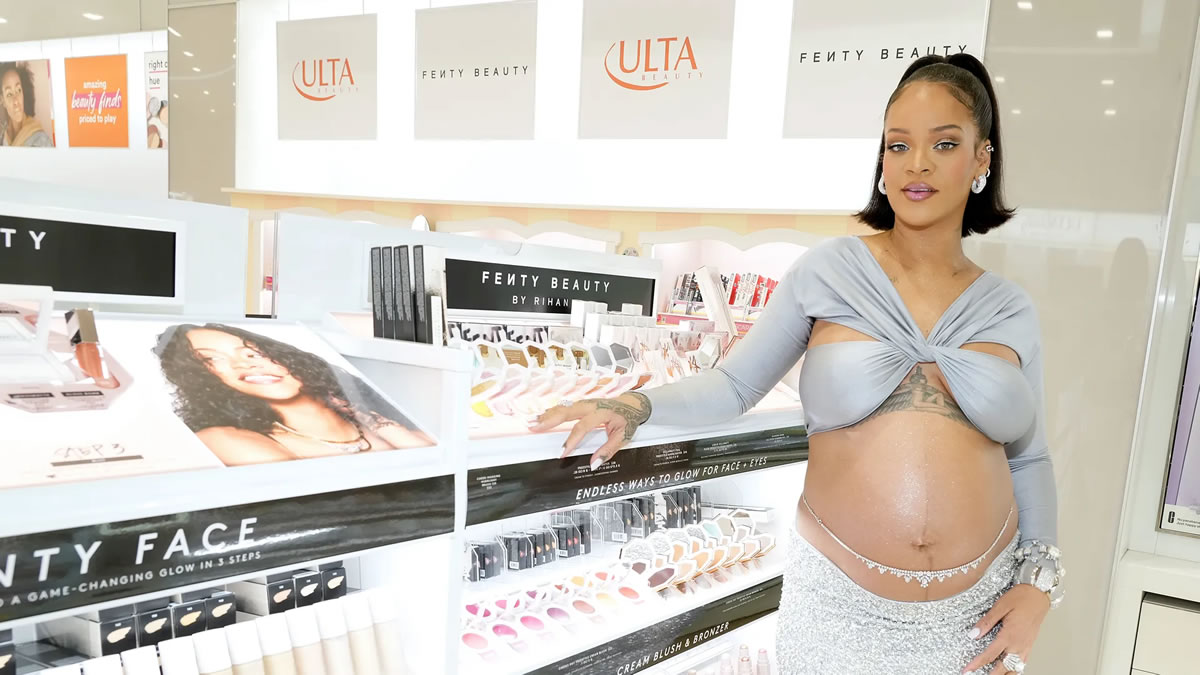
Rihanna: Turning Cultural Heat Into a Repeatable Business System
Rihanna is the clearest “singer to CEO” case study of the last decade, maybe the cleanest one. What made her transition powerful was not just star power (though, yes, plenty of that). It was positioning. Fenty Beauty entered the market with a very clear point of difference around shade range and inclusivity, and that immediately made the brand feel bigger than a celebrity side hustle. Then Savage X Fenty expanded the playbook: product, storytelling, community, and event-level marketing. Smart. Very smart. She did not just attach her name to products; she helped shape the category conversation.
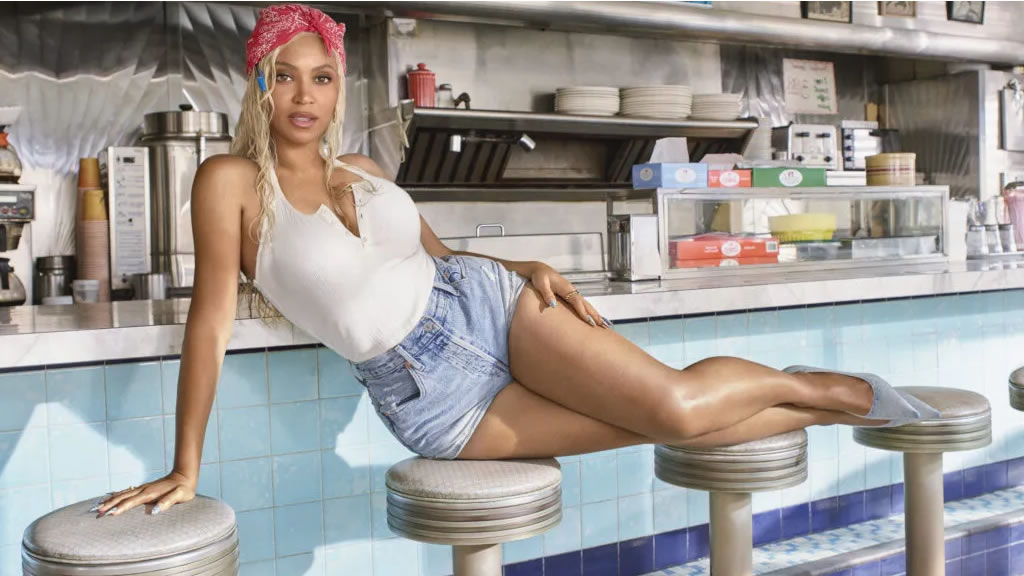
Beyoncé: Building a Controlled Universe Through Ownership and Production
Beyoncé’s business style is different. Less “constant product chatter,” more precision. Through Parkwood, she has built a model around creative control, production infrastructure, and selective expansion. That matters because ownership in entertainment is not only about cash flow; it is about timing, narrative, and leverage. Concert films, visual releases, touring strategy, brand partnerships—when they are tied together under a controlled structure, the artist is no longer only talent. She becomes the operating center. You can feel the discipline in it. Few random moves. Almost none, actually.
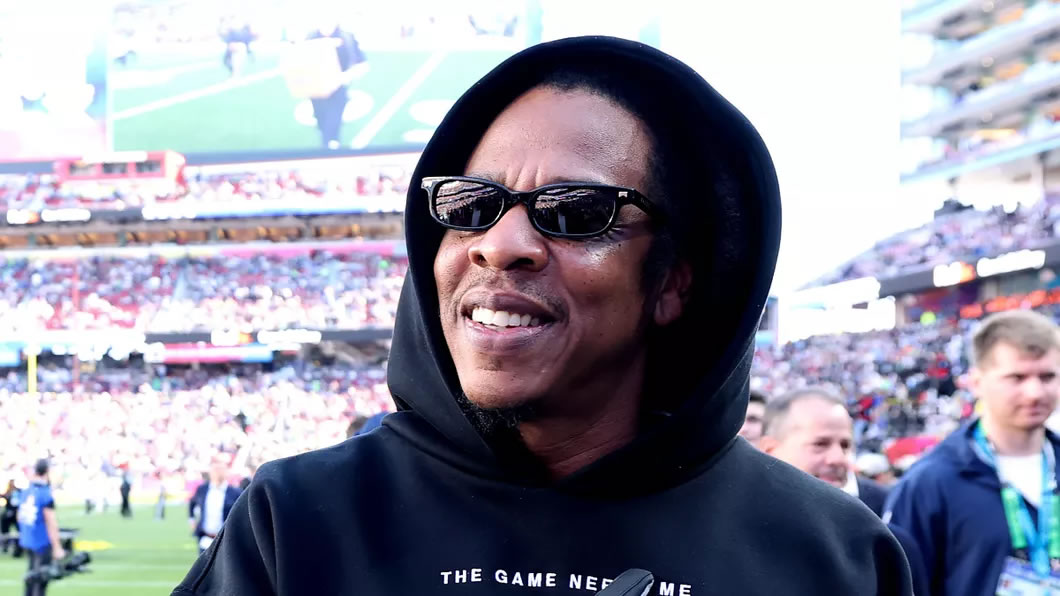
Jay-Z: The Blueprint for Diversifying Beyond Music Revenue
If the discussion is about music moguls, Jay-Z is unavoidable. He helped normalize the idea that a rapper or singer could move from charts to boardrooms without losing cultural credibility. Roc Nation alone changed the frame: artist management, sports, publishing, partnerships, brand development. Then add investments and equity plays over time, and the bigger lesson becomes obvious—fame may open the door, but long-term wealth usually comes from structure, ownership, and timing. Not every artist wants that path. But many now study it, whether they admit it or not.
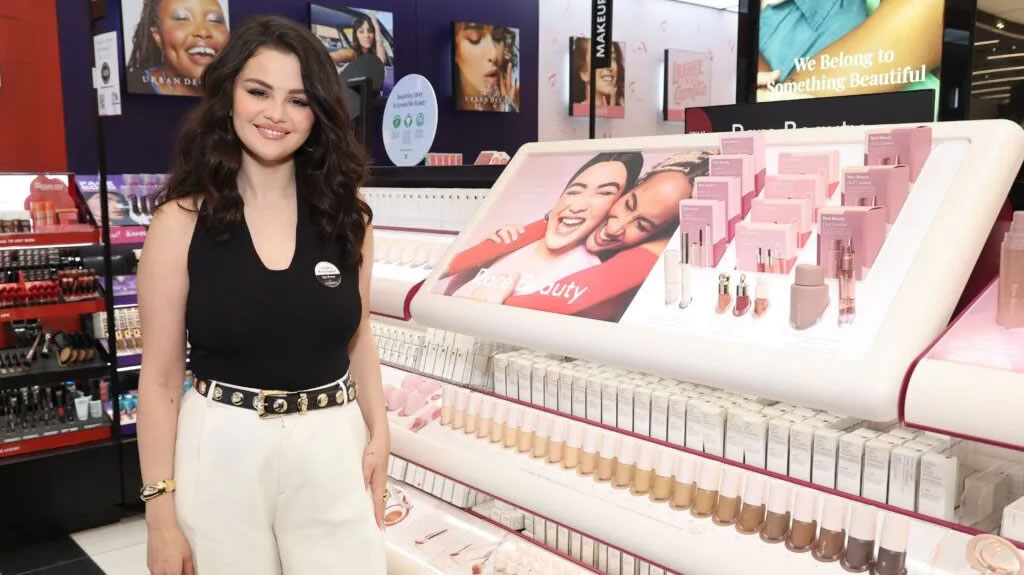
Selena Gomez: A Modern Example of Brand Trust Becoming Business Value
Selena Gomez represents a newer version of the celebrity-business model: emotionally resonant branding. Rare Beauty did not grow just because a famous person launched makeup. It connected because the messaging, product design, and public persona aligned in a way people found believable. In a crowded category, trust is basically currency. And she had it. The result is a brand that feels less like merch and more like a real company with mission-led positioning. That difference matters when consumers start buying repeatedly, not just once for curiosity.
Taylor Swift: The Business Power of IP, Fan Economics, and Strategic Control
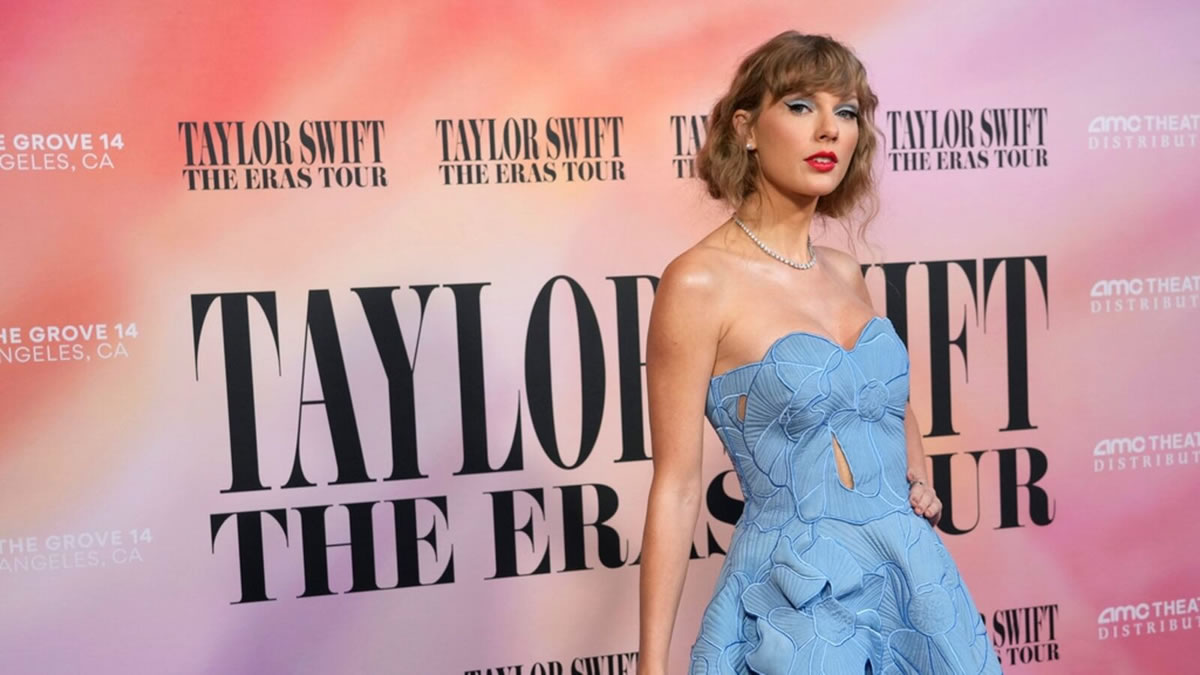
Taylor Swift’s empire looks different again, and that is exactly why it is so interesting. Her strength is not built around a beauty line or a single retail category. It is built around intellectual property, direct fan demand, catalog strategy, premium live experiences, and a rare ability to turn every release cycle into an economic event. She has shown that controlling narrative and product timing can be just as powerful as launching a traditional consumer brand. Maybe more powerful, in some cases. The business lesson here is not “copy the aesthetic.” It is “understand your assets.”
What Music Moguls Get Right (That Smaller Artists Can Learn From)
Across these examples, the pattern is pretty consistent. The strongest artist-led businesses know what they are actually selling. Not just “products.” A point of view. A feeling. A world fans recognize instantly. They also build teams that can execute, because charisma does not manage supply chains, and virality does not fix fulfillment issues. Harsh truth, but true.
There is another lesson too: not every expansion is a good expansion. The smart moves tend to feel adjacent to the artist’s identity, not random. That is why some launches feel natural, and others feel like cash grabs. Audiences can tell. Maybe not perfectly, but they can tell enough.
Conclusion
The stage is still where the story begins, but it no longer serves as the final boundary for the business. The most successful people today achieve their success through two key abilities, which include their capacity to turn public interest into long-lasting systems and their ability to expand those systems while maintaining the initial emotional bond that brought people to them. The process of achieving that balance proves to be difficult. The situation occurs infrequently. The audience sees more than a professional career when they observe him building his business in front of them.