
The Art of Unwinding: How Touring Musicians Survive the Downtime
People see the blinding stage lights, the sold-out stadiums, and the screaming crowds. They hear the first chord of a massive hit track and automatically assume that touring is just one endless, glamorous party. But talk to almost any working musician, and they will tell you the less exciting truth. Touring is mostly about waiting. You wait in airport lounges, you wait in cramped green rooms, and you wait in standstill traffic on a highway somewhere in the Midwest. The contrast between the sheer, heart-pounding adrenaline of performing for two straight hours and the absolute dead silence of a tour bus at 2 AM is jarring. Honestly, it’s a psychological rollercoaster that very few people are actually prepared for.
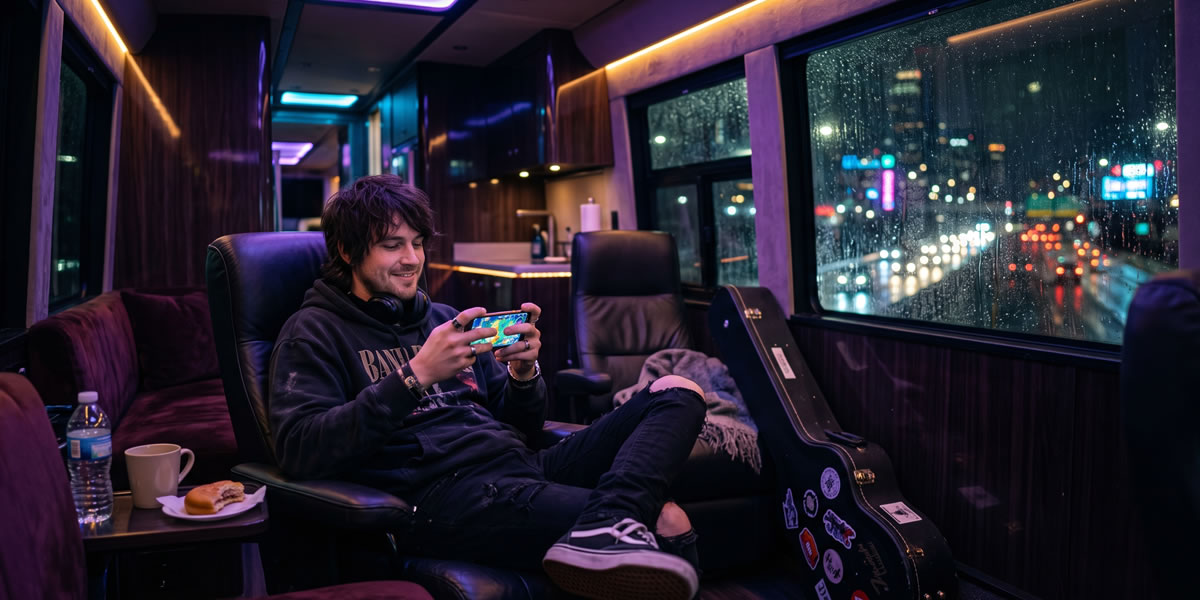
So, how do artists deal with that sudden, massive drop in energy? A couple of decades ago, the music industry was famous for its wild, destructive after-parties. Today? The reality is much quieter and far more practical. Most modern artists just want to decompress, protect their vocal cords, and mentally check out for a little bit before the next city. Smartphones and tablets have completely replaced the traditional backstage chaos. Whether they are binge-watching a true-crime documentary or seeking out a bit of light digital entertainment, finding a quick, low-stakes escape is essential for their sanity. For instance, an artist might just tap into a familiar online platform, jumping onto Jay Club to kill a few hours before the next soundcheck. It’s simple, it requires zero physical effort, and it effectively breaks the endless monotony of the road.
The Illusion of Constant Glamour
Let’s look at the actual logistics of a massive global tour. When someone like Taylor Swift is performing “Cruel Summer” or Ed Sheeran is playing “Shape of You” to a sea of 80,000 people, the energy in the air is electric. You can feel it in your chest.
But what exactly happens the next morning?
Usually, they wake up in a generic, high-end hotel room in a city they will barely have time to look at. The glamour you see on Instagram is mostly an illusion. The actual job of a touring musician involves relentless logistics and strict schedules. Artists desperately need a way to turn their brains off. If a performer is constantly “on,” constantly giving all their emotional energy to the crowd and the crew, they burn out. Fast. Finding a way to disconnect isn’t just a luxury for them; it is a professional necessity.
Finding Solace in the Digital Realm
This is exactly where digital routines come into play. It is genuinely fascinating how the modern rockstar lifestyle has shifted toward quiet time and screen time. After a high-octane set, a singer might just walk straight past the VIP lounge and retreat to the privacy of their bunk.
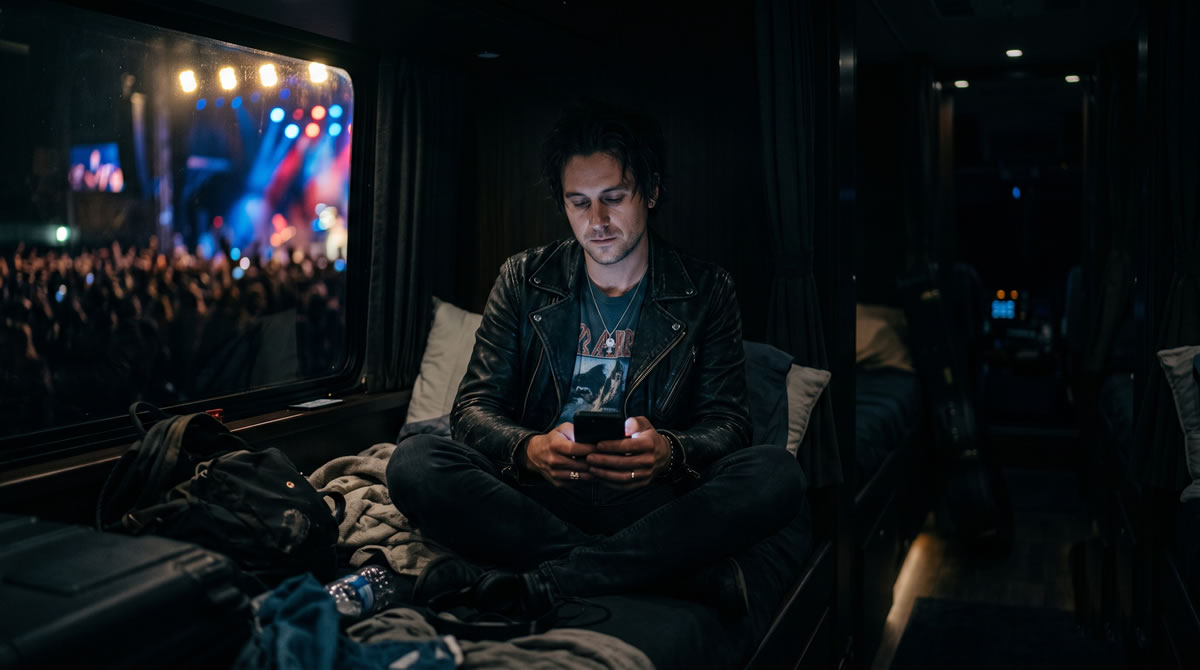
They pull out their phones. They no longer have to worry about being in tune, recalling complicated dance steps, or giving scripted answers in interviews. All that they need is to engage with a screen in a silent and solitary room. It is a totally neutral place, something that a stressed and overstimulated brain requires to return to its balanced state.
Why Casual Gaming Hits the Right Note
Look at someone like Post Malone. He is incredibly vocal about how much time he spends playing video games while out on the road. After screaming the lyrics to “Rockstar” or “Circles” night after night, the guy just wants to put on a headset, grab a controller, and zone out. It is a highly effective coping mechanism.
Gaming casually, using either a phone or a tablet, is ideal for this particular form of fatigue. This is casual gaming. You play a bit, you fixate your gaze on something other than the blinding lights, you close the window, and finally, you sleep. This activity gives your brain the appropriate level of stimulation to prevent the racing thoughts after performances, which keep most artists up all night.
Protecting the Creative Spark
Finally, all these efforts for organizing downtime are directed at protecting the result – the artist himself.
The fans spend a fortune to see an impeccable, vibrant show. If the performer fails to find a decent and peaceful way to cope with all the boredom and loneliness experienced while being on the road, his performance will definitely suffer. This mental reboot is extremely important. The time spent playing with a smartphone, watching movies, or simply having fun with the help of computer games is equally important for the success of a world tour as vocal training and soundchecks.