
The Day We Let Music Fans Take Over the Internet
When trying to describe contemporary pop music culture to my friend a few days ago, halfway into the explanation, I had to realize how crazy I sounded. I was describing how people manipulate charts and wage digital wars and perform server crashes as if I were describing tactics of military logistics.
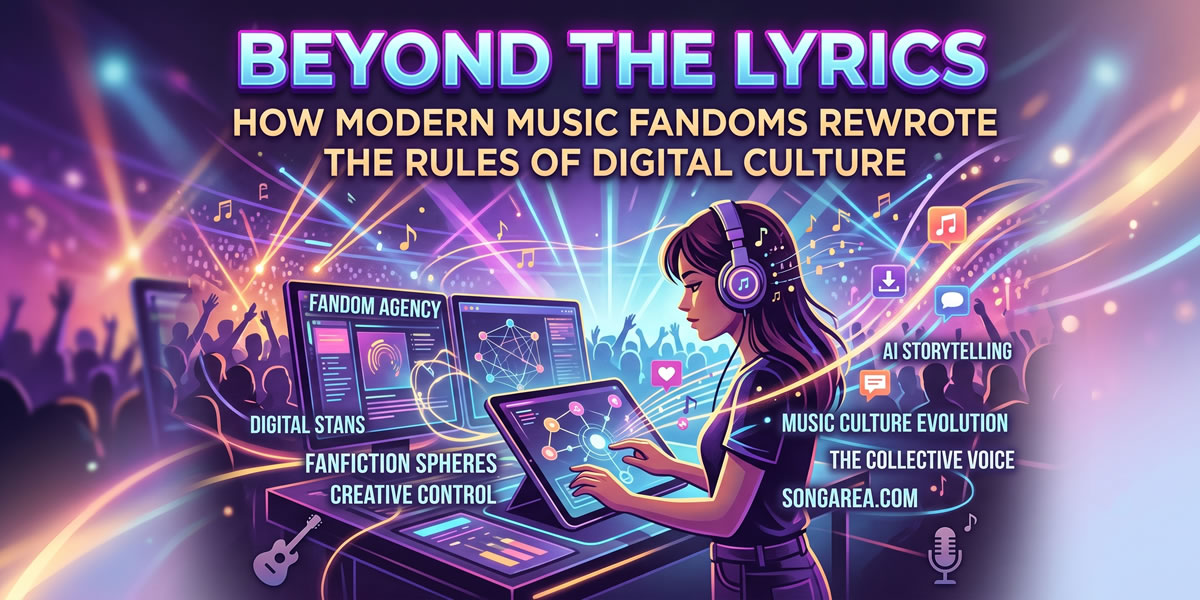
Because, really? They are.
I remember the times when being a fan of an artist was rather a quiet thing. You purchased the CD; you read the pamphlet included in the package; you might purchase a ridiculous amount of money t-shirt if that artist even came to play in your town during the concert tour. And that was pretty much all of it. The artist created the music; you consumed it.
Those times are gone, and they are replaced by something unexpected, somewhat frightening, and extremely creative. Welcome to the age of the digital stan. And those guys only listen to songs.
It’s Not Just About the Charts Anymore
It seems like there is this big misunderstanding that modern fandoms are simply marketing tools. Of course, they can make a forgotten B-side song a hit all around the world in less than 24 hours by organizing a streaming party on Discord. But the thing is, that is something that they manage to pull off even before morning.
However, streaming numbers are just one part of the equation. The thing that intrigues me is what people do after the song stops playing. People do not want it to stop; they want to experience it further. It is the unique sensation that we feel when listening to an extremely dark R&B or a very energetic pop-punk song. People use their emotions and actually create something completely new based on them.
They write stories. Massive, sweeping, 100,000-word alternate universes where the pop star is a brooding villain, or a struggling artist in a different decade. It sounds weird if you aren’t in the loop. You take a real human being, strip away their actual life, and drop them into a fictional scenario. But millions of people are reading these things on their phones every single night.
Why? Because it gives you control. You don’t just listen to the aesthetic; you get to live inside it for hours.
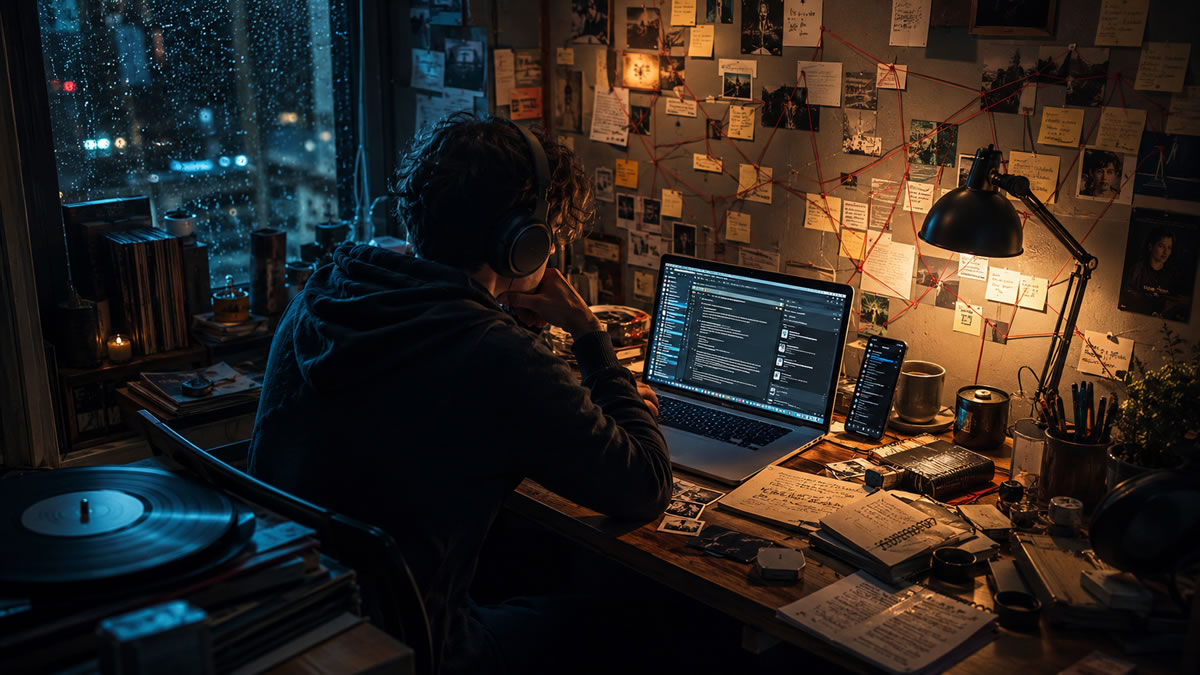
The Problem With Waiting
But here is where the culture is aggressively shifting right now. Nobody has any patience left. I blame TikTok, or maybe just the general speed of the internet in 2026, but attention spans are fried.
The old way of reading these fan-created stories was a test of endurance. You would find an amazing premise on a forum, get deeply invested in the characters, read twelve chapters, and then… nothing. The author would get busy with real life and abandon the story. You were just left hanging.
People refuse to deal with that lag anymore. Everything has to be right now.
This is exactly why the whole scene is migrating toward interactive, instant generation. Readers want the plot to move exactly how they envision it, the second they think of it. Imagine you’re listening to a gritty, high-tension playlist late at night. You want a story that matches that exact vibe, but you don’t want to hunt through dead message boards.
Instead, a lot of people are just cutting out the middleman. You might just decide to pull up tools and search for short smut stories free https://www.novelx.ai so you can instantly generate a customized, mature narrative on the spot. You literally just type in the kind of tension you want, the setting, the vibe of the characters, and the platform spits out the story.
It is wild. It basically turns reading into a personalized video game. You get the emotional fix, tailored perfectly to the song playing in your headphones, without having to wait for someone else to write it.
Who is Actually Making the Art?
Others look at everything that’s happening and feel highly uneasy about it. They look at the AI-generated tales, at the continuous surveillance through social media, and at the insane dedication of the fans, and they describe it as the most unhealthy form of parasocial phenomenon ever witnessed.
However, while it may be true sometimes, it is also the case that in the overwhelming majority of cases, this is how people nowadays interact with art.
Art has always been an escape from reality, and extending one’s escape into an AI-generated tale at two o’clock in the morning on one’s smartphone is just what daydreaming used to look like when looking out of the window of a moving bus.
Unfortunately, the old music industry has not yet grasped it entirely. They believe that they are still selling music as audio files; they are not. What they are really selling is the emotional raw materials for creating the culture of the internet. The fandoms do all the rest.