
Max Richter Brings MaddAddam Into a Three-Act Album With While the Flood Rages
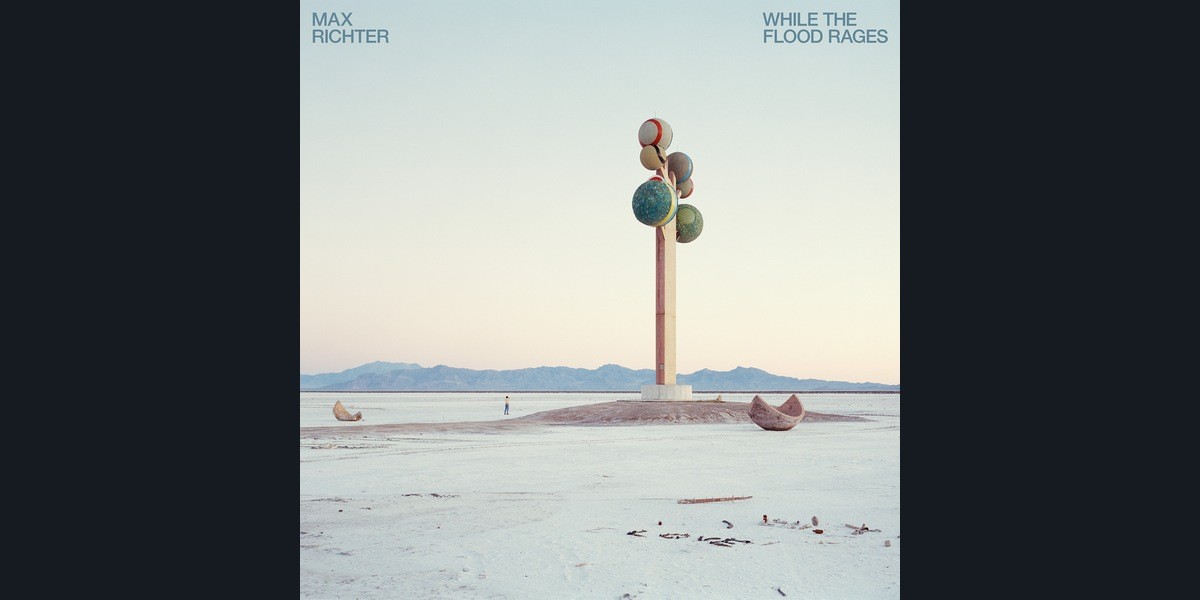
A ballet score has a second life away from the stage on Max Richter’s While the Flood Rages, released on October 16. The album draws on MaddAddam, Richter’s collaboration with choreographer Wayne McGregor, inspired by Margaret Atwood’s trilogy. There are three acts to follow. Tenebrae Choir join a sound world built from orchestra, electronics, piano and processed field recordings.
A listener can come to this record from several directions. There is the Atwood connection, the McGregor production, or simply an interest in Richter’s music. The album does not require all three. Its stated themes include ecological collapse, rapid technological change and resilience, giving some orientation before the music starts without supplying a plot summary for every track.
We would begin by keeping the act divisions in view. Listen to a section as a section, rather than jumping straight to the next familiar title. The release description mentions piano motifs that recur through the music. Following one of those is a practical way in: you have something to recognise when the surrounding sounds change, even without a dancer or a stage to guide your attention.
Moving a work out of a theatre changes what an audience has to work with. Onstage, a movement or a change of scene can direct attention. On an album, the order of the music and the recurrence of a phrase have to carry more of that job. We would approach While the Flood Rages as a sequence in its own right, rather than assume it is a substitute for watching MaddAddam.
Collectors have a separate choice to make. The National Album Day campaign lists an etched exclusive and describes fifteen tracks across three acts. The label’s catalogue also offers CD, LP, streaming and download options, with Dolby Atmos noted among the available presentations. An etching is a physical feature. The listing does not promise additional compositions for choosing that edition.
There is a useful comparison with Brian Eno’s Opal reissues, which we covered earlier this week. Those editions brought older albums back with identified bonus recordings; their coloured vinyl choices did not add further songs. Richter’s ballet-derived album has a different origin, but the buying question is much the same. Separate the music included from the appearance of the object.
Richter’s catalogue also puts this release alongside Sleep Circle, dated September 5, 2025, and the twenty-year edition of The Blue Notebooks, dated January 31 that year. Those are different reasons to return to a composer: a new album presentation, a connection to a stage production, or an anniversary edition of an older title. Here, the useful starting point is MaddAddam and the three-act sequence, rather than a promise of more material for a familiar record.