
Violin Protection on Tour: 10 Essential Strategies for Musicians
How Touring Violinists Protect Their Instruments on the Road: 10 Essential Strategies
Inevitably, the instrument for professional violinists performing 100 shows a year is not just a piece of equipment—it’s their salary and their speaking medium. For example, when performers like Lindsey Stirling take her hit “Crystallize” around the world, or David Garrett unites classical and rock genres in huge venues across the globe, they have to struggle with a concern that is usually encountered by the majority of players: maintaining a delicate wooden violin through security checks at the airports, different weather conditions, and continuous travels.

Here’s how touring pros actually protect their violins when the road gets rough.
Invest in a Professional-Grade Case
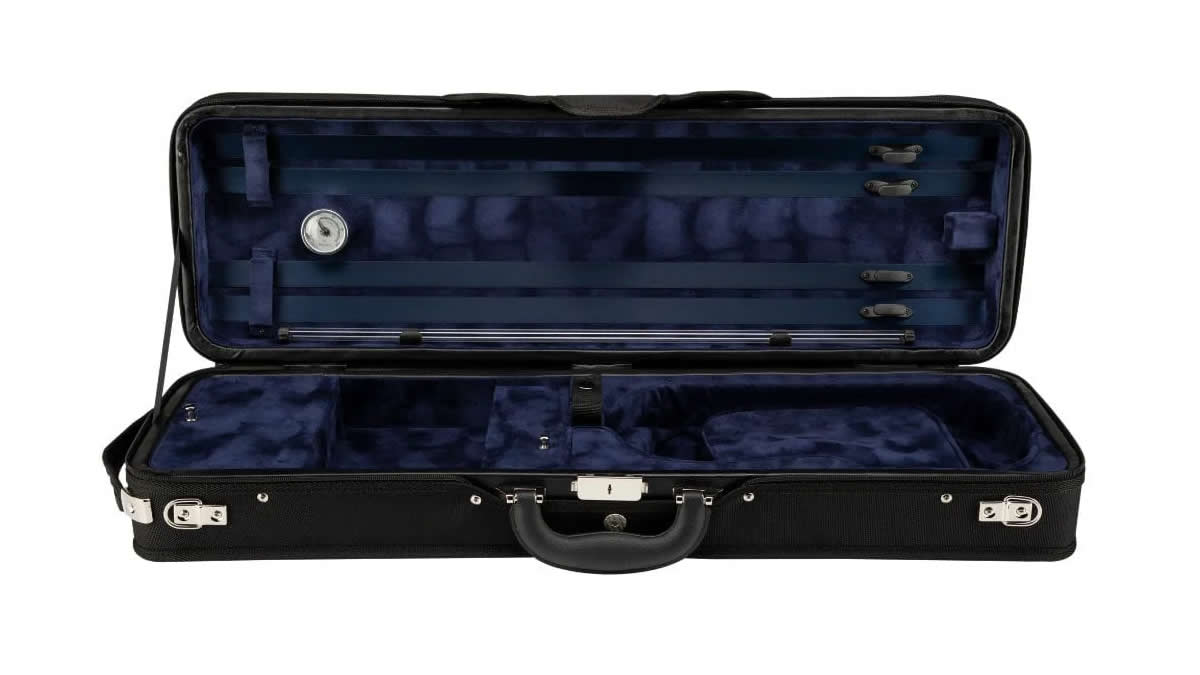
This is non-negotiable for anyone living out of a suitcase. The $50 student case won’t survive baggage handlers or wild temperature changes. Pros trust cases with reinforced shells, climate-minded interiors, and serious shock absorption to take the hit so the instrument doesn’t.
Think fiberglass or carbon fiber shells, plush cradles, and dependable locks. If you travel often, that up-front cost pays for itself the first time a case takes a hard impact. Companies like Great Violin Cases build touring-grade protection specifically for working musicians.
Never Treat Your Instrument as Luggage
Ask any touring violinist about their worst travel nightmare, and “checked violin” is at the top. The horror stories are real: crushed cases, missing instruments, and cargo-hold temperatures that can wreak havoc.
TSA allows musical instruments as carry-ons, and professionals lean on that rule. Some even buy an extra seat for high-value instruments. On orchestra flights, overhead bins fill with violin cases—you won’t find them in cargo.
Maintain Consistent Humidity Levels
Wood moves with humidity. Too dry or too damp can mean cracks, open seams, and a compromised voice. Because touring flips climates constantly—from arid airplanes to steamy summer festivals—violinists obsess over relative humidity.
Most people are dependent on in-case humidifiers such as Dampit or electronic setups, monitoring the humidity levels with digital hygrometers, and changing the settings whenever required. The ideal range for silkiness is 40–60% relative humidity, and maintaining it can lead to a thousand dollars saved in repairs.
Acclimate Before Playing
When David Garrett hits a different city every night, he doesn’t pop the case and start playing. Pros let the instrument settle for 30–60 minutes before bringing it out.
Such a buffer effectively eliminates thermal shock, which is the quick temperature change that could cause varnish to crack or wood to be under strain. When a violin has spent some time at the lower temperature of 40 degrees Fahrenheit during transportation and then suddenly enters a place of 75 degrees Fahrenheit, the most secure place for the temperature change to occur is the casing.
Travel With Essential Spare Parts
Strings snap. Bridges slip. Pegs misbehave. On tour, a nearby luthier isn’t guaranteed an hour before downbeat, so preparedness is everything.
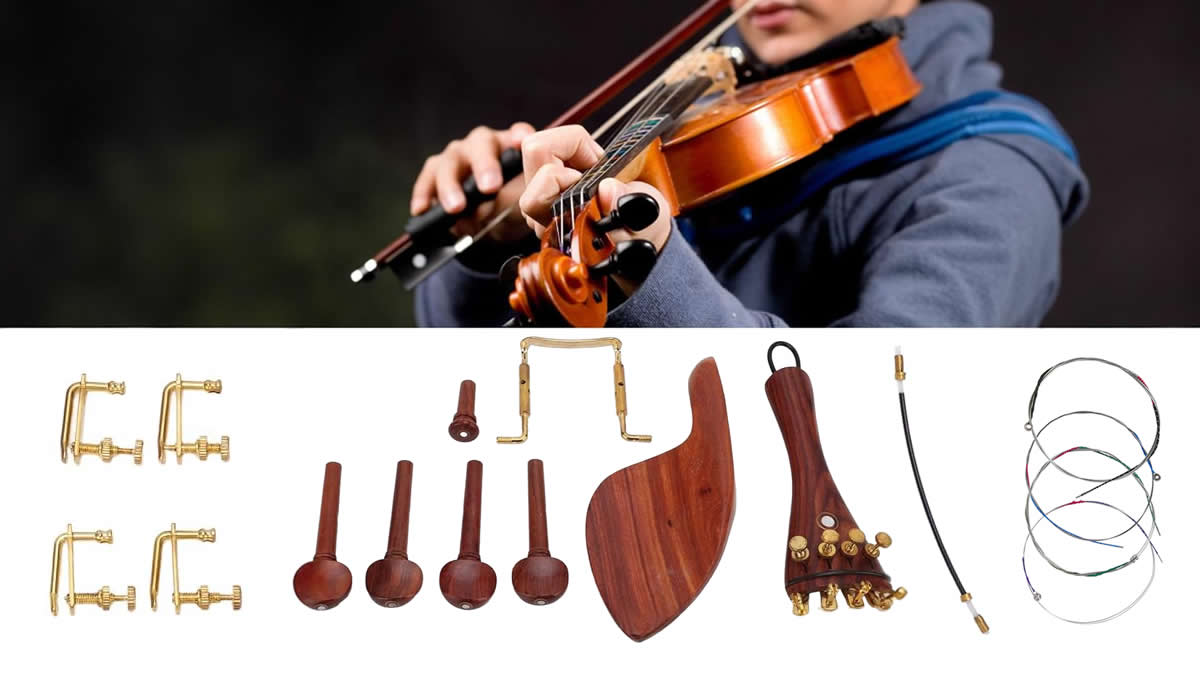
A solid road kit includes full sets of strings, spare bridges, a sound post, rosin, peg compound, fine tuners, and basic tools. Many pros carry a backup bow (or two). Think of it like a guitarist’s extra picks and strings—only the stakes are much higher.
Document and Insure Properly
Before wheels-up, pros photograph their instruments from every angle and keep meticulous records of value, provenance, and condition. They also carry instrument insurance crafted for working musicians, covering loss, theft, and travel damage.
Policies for homeowners or renters generally do not suffice, particularly for traveling musicians who have instruments valued at tens or even hundreds of thousands. A specialized insurance for musical instruments is necessary, specifically designed for the distinctive hazards that come with being a roadie.
Master TSA and Airport Security
Seasoned tour musicians treat TSA like choreography. They arrive early, know the rules for musical instruments, and keep documentation handy to prove value and professional status.
Smart moves include requesting hand inspection when possible, using TSA-friendly locks, and—politely but firmly—citing FAA regulations that protect instruments as carry-ons. Many carry printed copies to show gate agents who haven’t seen them.
Use Climate-Controlled Transportation
When Lindsey Stirling’s bus rolls between venues, the instrument storage stays stable in both temperature and humidity. Pros never leave violins in vehicles overnight or expose them to heat swings during the day.
If you’re driving yourself, never leave a violin in a hot car (even “for a minute”) and use climate control whenever you can. Some players add insulated covers for an extra layer during transport.
Establish Pre-Performance Rituals
Stage problems are caught beforehand by tour veterans who trust in their fail-proof checklists. This translates to visual checks for hairline cracks or seam defects, swift sound tests modified for the room, and adjustments made for shifts in humidity or temperature.
These small rituals stop small snags from becoming big disasters. A slightly loose string, a nudged bridge, or too little rosin—easy fixes pre-show—can turn into a meltdown under lights.
Build Relationships With Luthiers on the Road
The pros map out trusted violin specialists in cities they frequent. Having a go-to luthier in New York, Los Angeles, Nashville, and other hubs means quick, expert help when trouble strikes.
Las Vegas is a textbook example. The desert heat—often 110°F+ in summer—paired with aggressively air-conditioned venues creates wild temperature swings that punish wood. Vegas has long been a magnet for icons, from Elvis at the International Hotel to today’s headliners at The Colosseum. Violinists playing Vegas know to line up reliable local luthiers and double down on climate precautions.
Many touring players even plan routine maintenance during stops, bundling performance travel with proactive care. It’s preventive medicine that keeps small issues from ending a tour.
The Bottom Line
It is not paranoid thinking, but merely professional violinists have to protect their instruments in a sense of survival. When your violin is your sole means of expression and a source of income, ignoring the care isn’t an option at all. These methods are up to par with having been on the road for numerous decades: having learned the hard way, developed the right habits, and established practices that last forever.
No matter if you are getting ready for your very first multi-city tour or just doing weekend gigs, getting into these protective practices will prolong your violin's life and keep its sound intact. The entire range of investment, from pro-quality cases to insurance and humidity control, is geared towards achieving consistent performance and a tranquil mind. You cannot steal the show by performing Devil Went Down to Georgia at a festival if your violin is cracked while being transported.