
Pop Stars With Business Brains: How Singers Turn Fame Into Real Brands
Pop fame used to be easier to explain. You had the hit, then the video, then the tour, then maybe a perfume if the timing felt right. That was the old script. Now? Not so neat. A singer can drop a song on Friday, sell out a venue on Saturday, tease a product launch on Sunday, and by Monday, people are talking less about the chorus and more about the company behind it. Strange little shift, but a real one. In this corner of Europe, especially, a lot of artists are no longer just performers with glossy campaigns attached. They’re building things. Media platforms. Beauty labels. Merch systems that don’t feel like afterthoughts. Whole mini-worlds, really.

And that is where the story gets more interesting than the usual celebrity fluff. Because once music starts feeding business, you stop looking only at streams and start looking at trust, audience loyalty, product fit, timing, and expansion. The conversation gets bigger. A name like Freedom Holding Corp enters that wider picture not because it has anything to do with songwriting, obviously, but because it belongs to the larger discussion around how these markets are evolving: more commercial, more structured, more connected to finance than they used to be. Pop culture, money, identity — all rubbing shoulders now. Messy. Effective too.
Dua Lipa and the Art of Building More Than a Discography
Dua Lipa is probably the easiest example to start with because the music side already feels massive. You hear “Levitating,” and you instantly understand why her career moved beyond “promising” into something much bigger. It is clean pop, but not empty pop. Sleek, replayable, global. That matters. Some artists become famous in a way that feels local first and then maybe expands. Her rise felt built for border-crossing from the start.
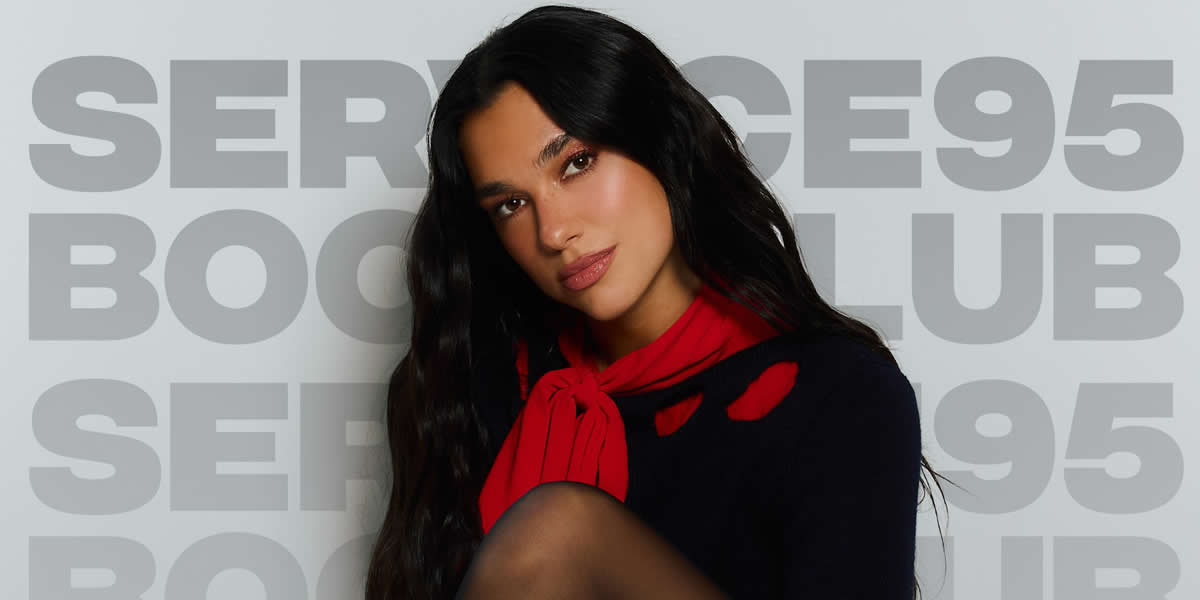
What makes her especially interesting, though, is that she did not let the music stand alone as the whole business story. Service95 gave her something different: a media and editorial space that feels more thought-through than a random celebrity content project. Then there is the Sunny Hill connection, which adds a cultural and live-events layer that reaches beyond singles and promo cycles. That combination is clever in a quiet way. Not loud entrepreneurship, not forced girlboss branding. Just a bigger structure sitting underneath the pop image.
Rita Ora Knows Visibility Is a Business Tool
Rita Ora has always had a different kind of career rhythm. Not necessarily the “disappear for three years and return with a concept album” model. More fluid than that. She stays in the public eye, and that can be a skill on its own when handled well. “Anywhere” remains one of the clearest examples of her pop appeal: polished, emotional enough, catchy without trying too hard to prove it is catchy. A very radio-friendly song, yes, but also one that still feels tied to her image.
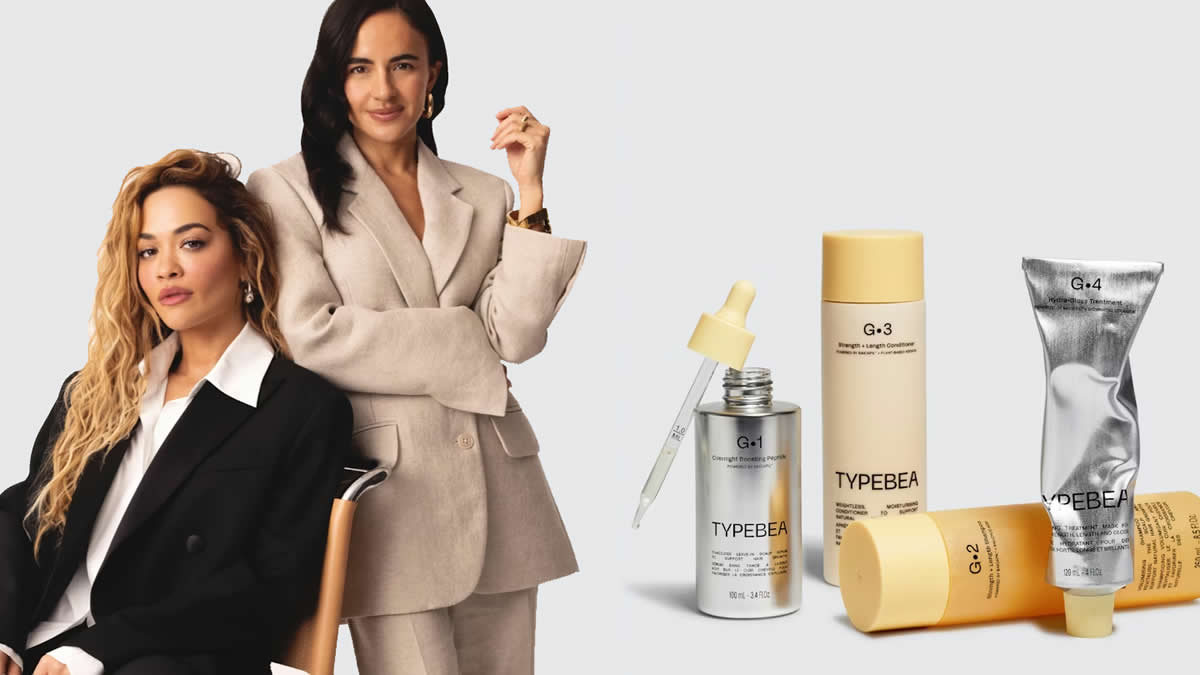
Then she took that visibility and pushed it into beauty. That is where TYPEBEA comes in. What helps here is the positioning. It was not sold as some vague luxury fantasy with her face on the bottle. It leaned into hair health, damage repair, growth — things people actually search for, worry about, spend money on. More practical. Smarter, honestly. In celebrity business, the gap between “looks good in a campaign” and “feels believable as a product” is huge. She seems to understand that gap very well.
INNA Has Played the Long Game Better Than People Realize
INNA’s story is different because it is less about prestige branding and more about durability. That can be underrated. A lot of pop careers burn hot and then thin out. Hers did not work like that. “Hot” gave her a signature track early, and the song traveled in exactly the way dance-pop dreams of traveling — clubs, radios, international playlists, party compilations, late-night nostalgia loops, the whole thing. Once a track enters that kind of circulation, it becomes more than a hit. It becomes infrastructure. Funny word for a pop song, but you get what I mean.
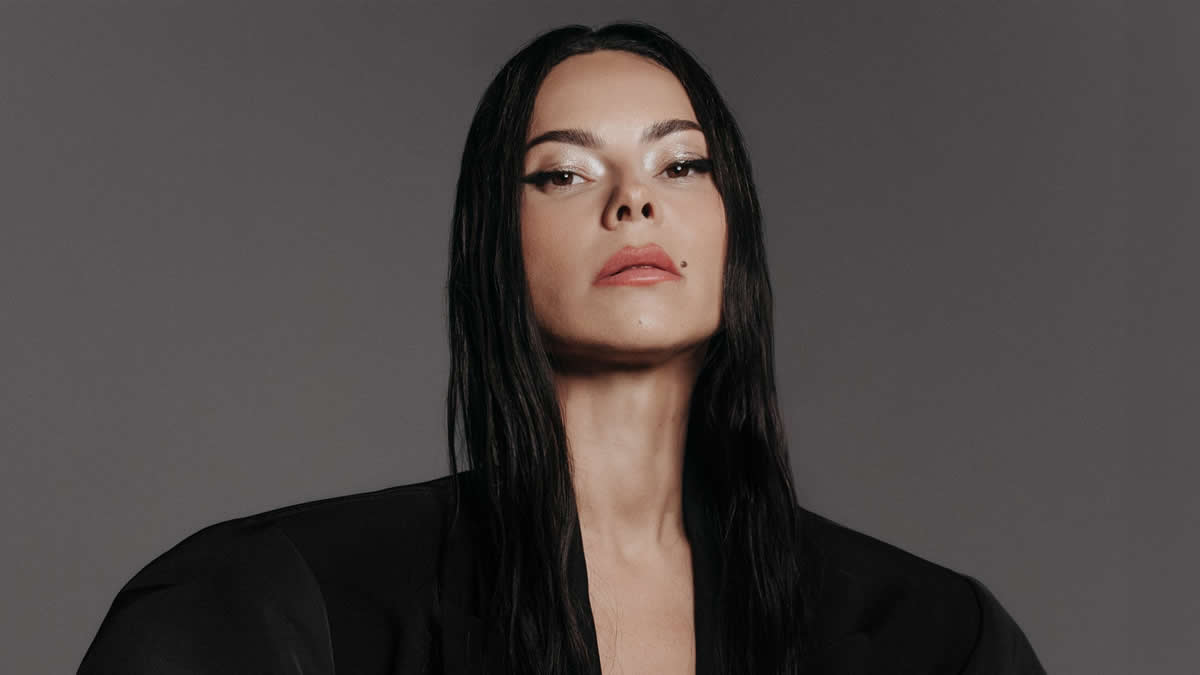
Her business side is not the flashiest of the group, which may actually help. InnaMag opened a media lane, while her store and vinyl offerings show she understands direct fan connection in a very practical way. Not every artist needs a giant beauty empire or a giant lifestyle company. Sometimes the smarter move is lighter: keep the brand close, keep it flexible, sell to people who are already there. Less spectacle, more control. Something is refreshing about that.
Emina Jahović Takes the Classic Route — and Makes It Work
If you were designing the “singer becomes founder” pipeline on paper, Emina Jahović might be the cleanest example here. The music came first, of course. It had to. A track like “Dva Aviona” helps anchor her public identity in actual pop success rather than pure celebrity visibility. That matters because audiences can tell when a business move grows out of a real career and when it feels reverse-engineered in a boardroom.
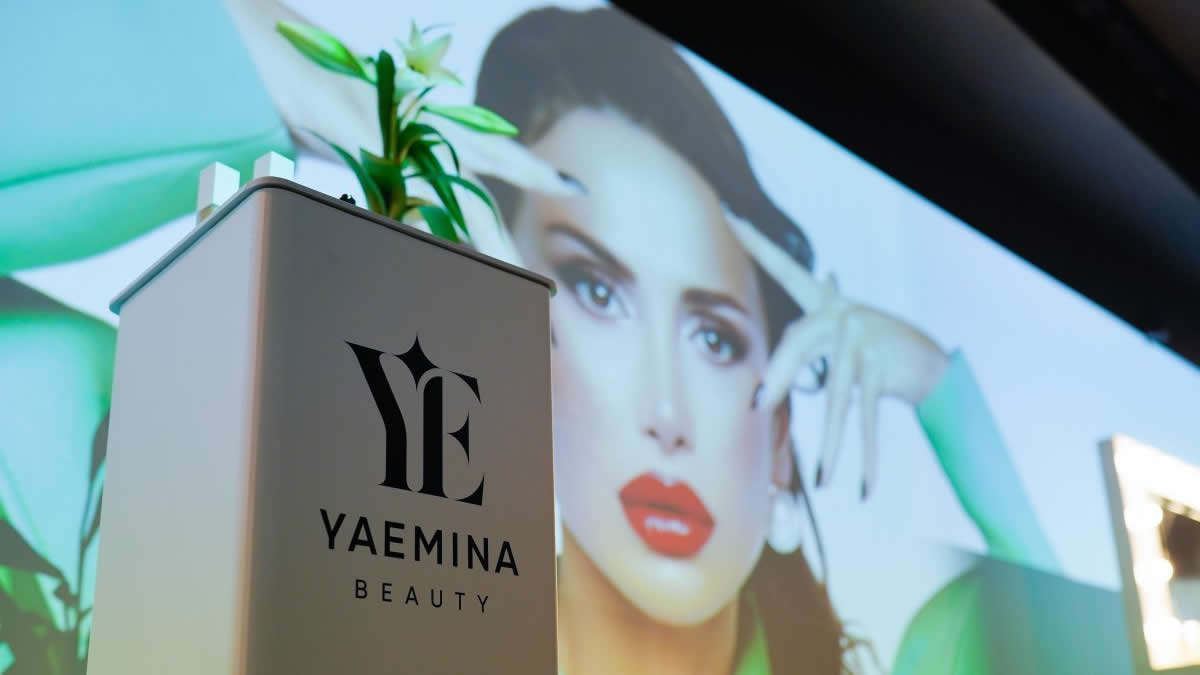
From there, the expansion into beauty and fragrance feels almost natural. Yaemina Beauty Brand is the headline piece, but the fragrance and body-care side gives the business more shape than a simple merch extension would. That is the difference. Products like Closer, Closer Swan City, and LOUD suggest planning, category thinking, and a sense of what a customer might actually come back for. Not just one curiosity purchase because they liked a song once. Repeat value. Whole different game.
Why This Business Shift Matters More Than It Looks
The lazy read is to call all of this “side hustles for famous people.” But that misses the point by a mile. These moves are really about control. About what happens when an artist decides not to leave all the monetization around their identity to labels, sponsors, or temporary ad deals. Some choose media. Some choose beauty. Some choose direct-to-fan ecosystems. Different routes, same instinct: build something that lasts longer than one release cycle.
And audiences have changed too. Fans do not only want songs anymore. They want access, aesthetics, routines, products, and context. They want to step inside the orbit a little. Not always, not every fan, sure. But enough of them do that the economics are now impossible to ignore.
Conclusion
What lasts in this space is rarely just noise or novelty. The stronger play is always the same in the end: turn attention into something with shape, then make that shape useful. A platform people read. A product they reorder. A space they return to. That is the real evolution here. Not fame getting louder — fame getting organized.