
Roxy Music Unearth Pyjamarama Demo Ahead of For Your Pleasure Reissue
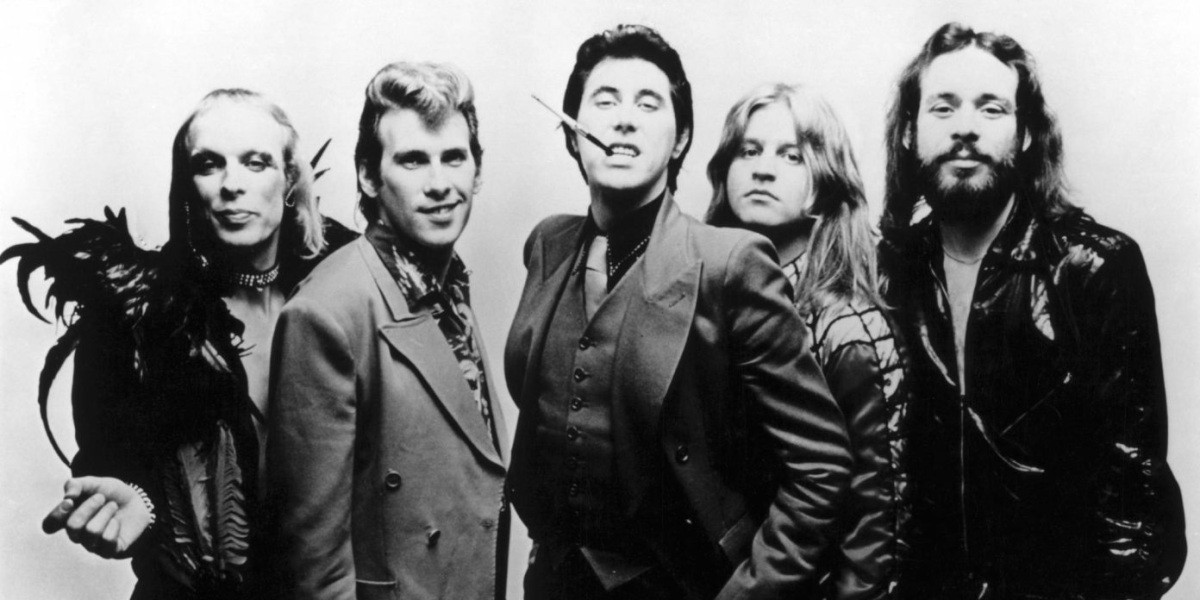
Roxy Music have released an unheard guitar-and-vocal demo of "Pyjamarama" ahead of an expanded edition of For Your Pleasure, due on November 6. The recording places Bryan Ferry's voice and acoustic guitar at the centre of a song associated with the band's early 1970s period, offering a different point of entry into familiar material.
The release is accompanied by a recovered Top of the Pops performance of the song from March 1973. Together, the demo and television footage approach the same piece from different directions: one preserves a songwriting stage, while the other returns a public performance to view. That makes this more interesting than simply adding another edition of an established album to the shelf.
Following the songs into the archive
The Super Deluxe box brings together three CDs and a DVD, alongside a 116-page book containing essays and rare photographs. Its programme includes the original album, singles, instrumentals, demos, rehearsals and live sessions, with television and concert footage drawn from 1972 and 1973.
The published track list shows how closely the collection follows individual songs through different forms. "Pyjamarama" appears as the guitar-and-vocal demo, a 1973 rehearsal, an AIR Studios outtake and the single recording. Elsewhere, piano sketches of "Do the Strand" and "Editions of You" sit alongside alternate approaches to "Beauty Queen". These are distinct stages of work rather than interchangeable extras.
For a listener, that structure can change the order of discovery. Instead of beginning and ending with the finished album, it becomes possible to follow a musical idea between a spare arrangement, a rehearsal and a completed recording. The value lies in comparison: an earlier version can draw attention to a melody or phrase that seemed less noticeable inside the familiar production.
Listening to the demo before the single, then reversing that order, is a simple way to approach the material. Neither version needs to replace the other; the interest is in what each makes easier to notice.
A catalogue with more to reveal
Archival releases are most rewarding when the additional material gives people a reason to listen again. A large track count alone cannot do that. Here, the different versions of the same songs offer a clear route through the collection, while the recovered television performance adds a visual counterpart to the audio history.
Our earlier discussion of how veteran rock performers sustain a connection with audiences focused on the demands of the stage. This release approaches musical longevity through preservation. It allows a new audience to meet an older recording at several points in its development, while giving established fans something specific to reconsider before the expanded edition arrives next month.